
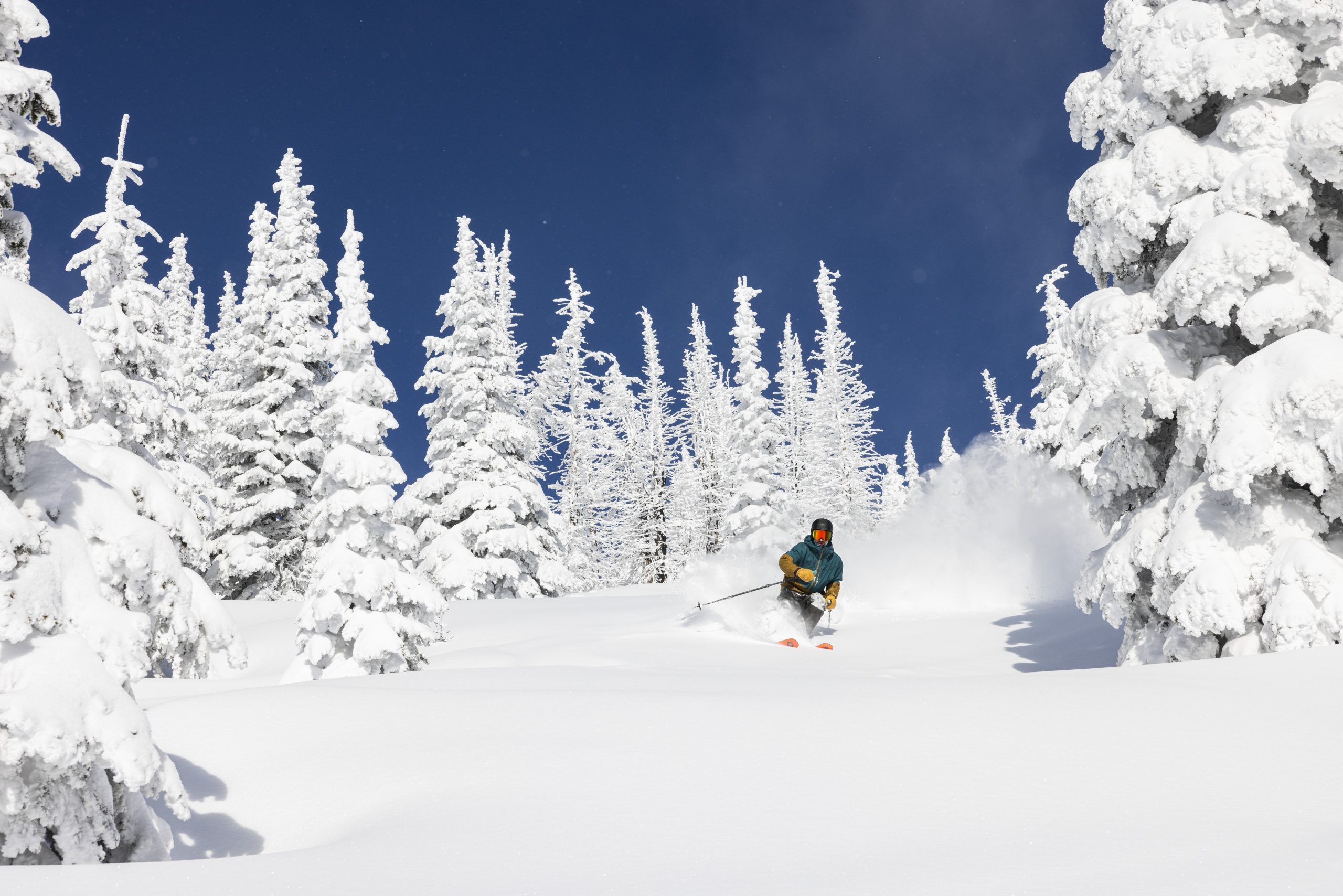
Skiing is a sport that keeps us glued to the weather forecast, always on the lookout for the next big pow day. Even the snowiest winters bring a mixed bag of weather conditions, including surprise storms, low clouds, inversions, mixed precipitation, beautiful sunny bluebird days and bone-chilling blasts of arctic air. And snow itself comes in many forms!
Here at Whitefish Mountain Resort, we have our own unique weather and climate patterns that shape our skiing and snowboarding experience. To learn more, I spoke with Bob Ambrose, a local weather expert who has skied Big Mountain for nearly 30 years. Bob works at OpenSnow.com, where he formulates a daily snow forecast for ski areas and resorts all over Montana.
The basics: How do snowflakes form?
Bob explained that a snowflake's journey begins high in the atmosphere with a process called nucleation.
Surprisingly, it all starts with tiny particles like dust or pollen. Water vapor condenses onto these particles as they drift through the air. When temperatures drop below freezing, those droplets freeze and cling to the particles, forming the beginnings of a six‑sided crystal. As the crystal falls, it collects more water vapor, growing and developing its shape.
Temperature and humidity changes throughout this descent influence the final structure and texture of the snowflake that eventually lands on the ground.
Snowflake shapes vary vastly, from plates shaped like hexagonal prisms, stars and dendrites, to columns, needles and irregular flakes. Most snowflakes fall into the irregular category, forming when they encounter obstacles or shifts in temperature and pressure. One example is graupel, sometimes referred to as "soft hail" — those crumbly white pellets about the size of popcorn kernels.
Types of snowflakes include simple stars, stellar dendrites, irregular shapes, capped columns and needle clusters!

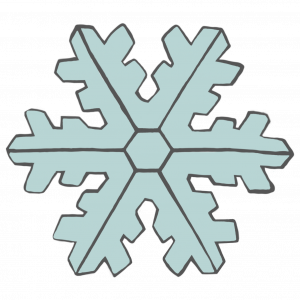
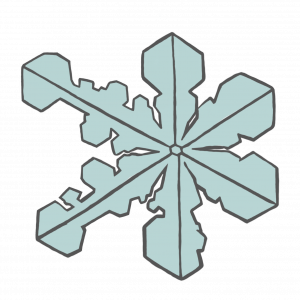
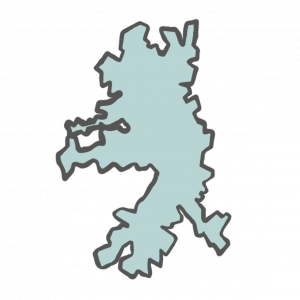
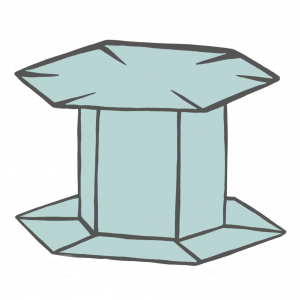

If you're wondering which type creates the best powder, look to stars and dendrites, Bob says. Their intricate branching structures form in cold, humid conditions to produce light and fluffy snowfall.
No two snowflakes are alike because no two follow the same exact path through the atmosphere or encounter the same combination of conditions. Once a snowflake lands, a process called metamorphism begins. Wind, sunlight and temperature shifts alter the surface snow, changing its texture through melting, bonding and compaction.
What's unique about Whitefish's winter weather?
Each mountain has its own recipe for a solid snowfall, so I had Bob walk me through the Big Mountain's formula for success.
It all begins with an established cold air mass. Ideally, a storm approaches from the south and travels up the Flathead Valley without being disrupted by other mountain ranges. As it moves, it draws additional moisture from Flathead Lake and heat from the valley, increasing humidity and hopefully creating optimum snowfall! Without that cold air already in place, however, storms can instead bring heavy, wet precipitation.
Another factor is the placement of the polar jet stream, a fast-moving westerly air current that pushes storms north and south throughout the year.
Forecasting snow in the Flathead Valley is especially challenging. The surrounding mountain ranges act as barriers, blocking or altering incoming storms. As Bob describes it, these western mountains resemble "corrugated cardboard," where low peaks and valleys trap snow and make it difficult to know how much Pacific moisture will actually reach us.
Big Mountain isn't known for huge storm totals. Receiving a whole foot of snow overnight is rare, something that happens maybe once or a few times a season. Instead, we consistently receive smaller doses of snow, a few inches at a time, which go a long way. Thanks to these frequent refills and the nature of our terrain, just 4-5 inches of fresh snow can transform our skiing and riding conditions!
Huge thanks to Bob for taking the time to talk this through with me. Visit OpenSnow.com or download the app to follow his forecasts!
Margot Collins was a Whitefish Mountain Resort snow reporter for the 2025/26 ski season.